
As we move into 2026, kitchen design continues to evolve, blending functionality with bold aesthetics and thoughtful innovation. Homeowners and designers alike are embracing styles that reflect personal expression while prioritising practicality. From eco-conscious choices to cutting-edge technology, the latest kitchen design trends are shaping the heart of the home in exciting ways.
One of the most prominent trends for 2026 is the rise of sustainable and eco-friendly kitchen solutions. This includes the use of recycled materials, low-VOC finishes, and responsibly sourced cabinetry. Homeowners are increasingly interested in kitchens that look beautiful but also reduce environmental impact. Natural wood tones, bamboo accents, and matte finishes are becoming staples in modern green kitchen design, creating spaces that feel warm, organic, and environmentally conscious.
Smart kitchen technology continues to advance and integrate seamlessly into kitchen design. In 2026, smart appliances and connected systems are no longer novelties — they’re expected. Voice-controlled ovens, intelligent refrigerators, app-managed lighting, and touchless faucets all contribute to kitchens that are more efficient, intuitive, and harmonious with daily life. These tech-integrated kitchen features not only add convenience but also enhance energy efficiency and safety.
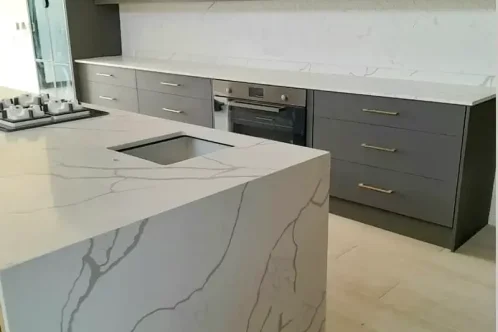
Aesthetic trends are also shifting, with bold colours and expressive materials gaining popularity. While classic white kitchens remain timeless, many designers are incorporating rich jewel tones like deep greens, navy blues, and charcoal greys. Mixed materials — such as matte stone countertops paired with textured cabinetry — offer depth and personality. Minimalist handles, seamless storage, and hidden appliances continue to support the desire for clean, uncluttered kitchen spaces.
Finally, multifunctional layouts are redefining how people use kitchen space. Open-plan designs that flow effortlessly into dining and living areas are standard, while custom island solutions with integrated seating, storage, and prep zones are essential for modern living. Flexible workspaces that double as homework stations or coffee bars reflect the kitchen’s role as a central hub in the home.